Imagine a world where decluttering is as easy as grabbing a cup of coffee. That's Haustidy. We reimagined second-hand commerce, creating a seamless cycle where every buyer is also a potential seller. The result is a clean, trustworthy platform that makes trading items not just simple, but genuinely enjoyable.
I love making digital products feel effortless. On the Haustidy project, I redesigned the entire user journey, from creating a listing to confirming a delivery. The result is a simple, intuitive experience that helps people declutter their homes, make money, and shop sustainably, all in a stress-free way.

Where It Got Tricky
Designing Haustidy meant balancing simplicity and usability with functionality for two very different user roles: buyers and sellers within the same account. The challenge was to avoid overwhelming users with too many actions while managing the behind-the-scenes complexity of logistics and delivery. On mobile, it became even trickier to maintain responsiveness while giving users an app-like feel in a web browser. Limited white space required a streamlined dashboard that minimized cognitive load and kept interactions clear.
Making It All Click
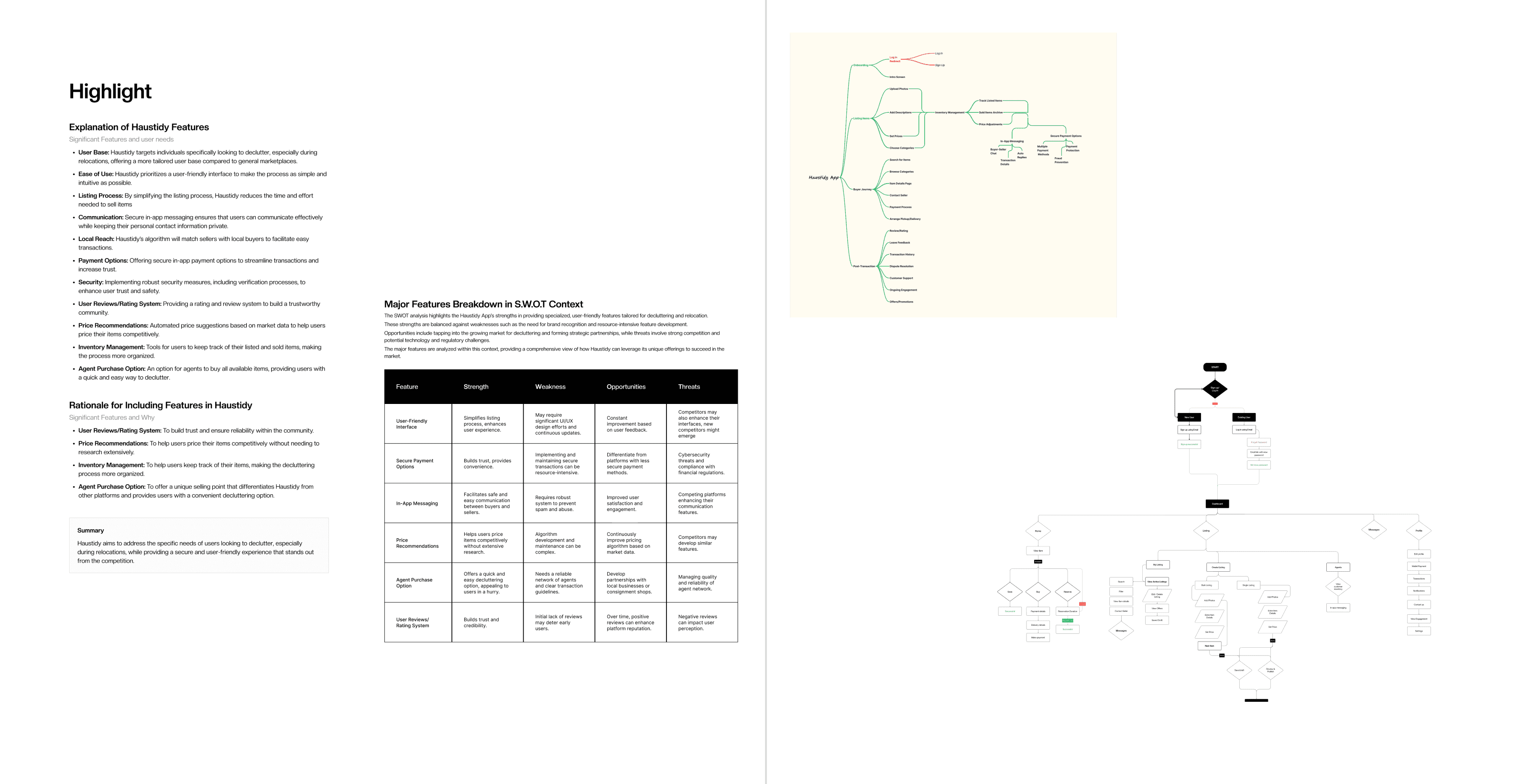
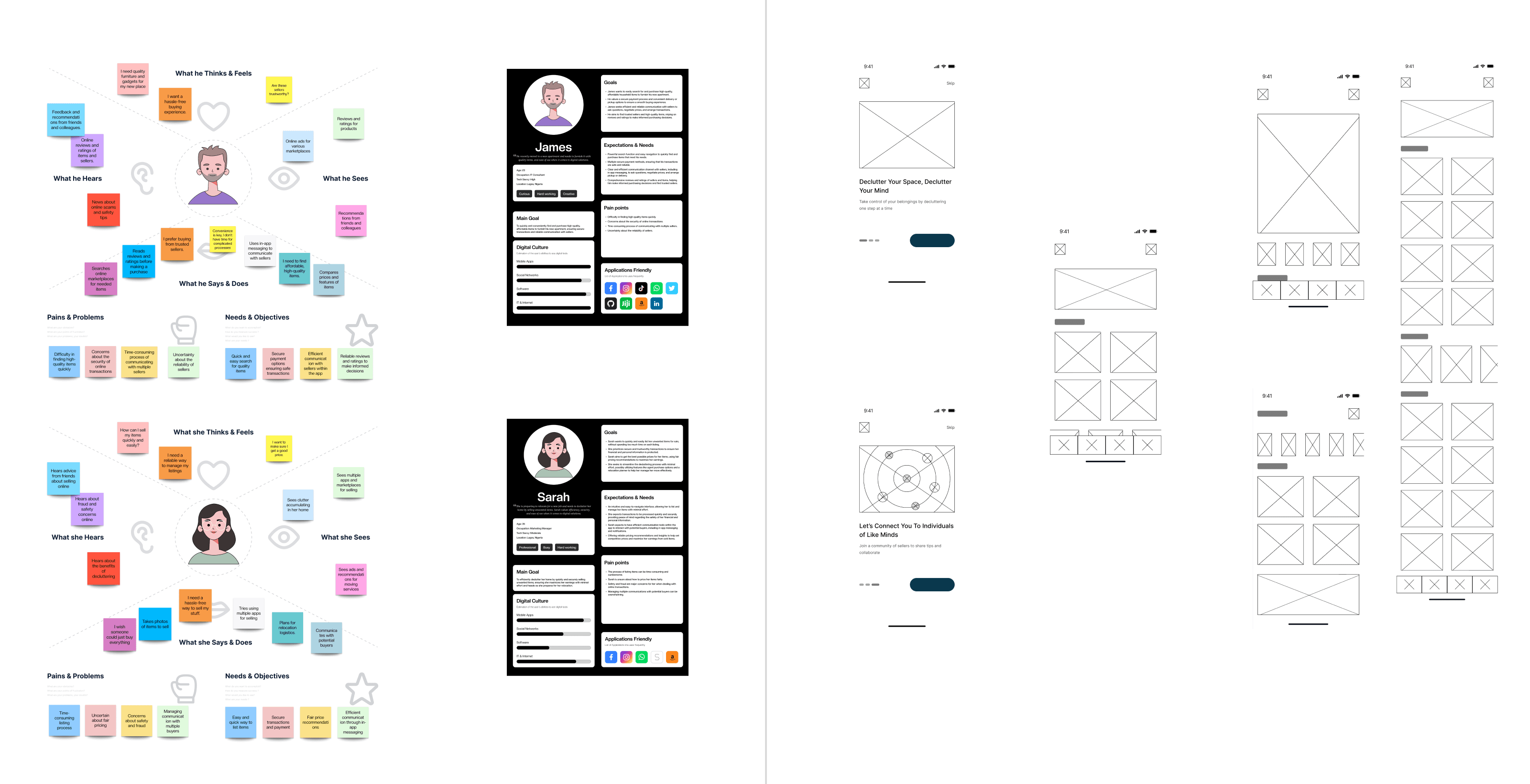
Beginning with in-depth research, which included user interviews, competitor analysis, and journey mapping for both buyers and sellers. This groundwork led to a design strategy centered on speed, clarity, and trust. To bring this to life with an existing unified design system for cross-platform consistency, we integrated AI-assisted listing to make uploading items quick and frictionless.
From Feedback to Fixes
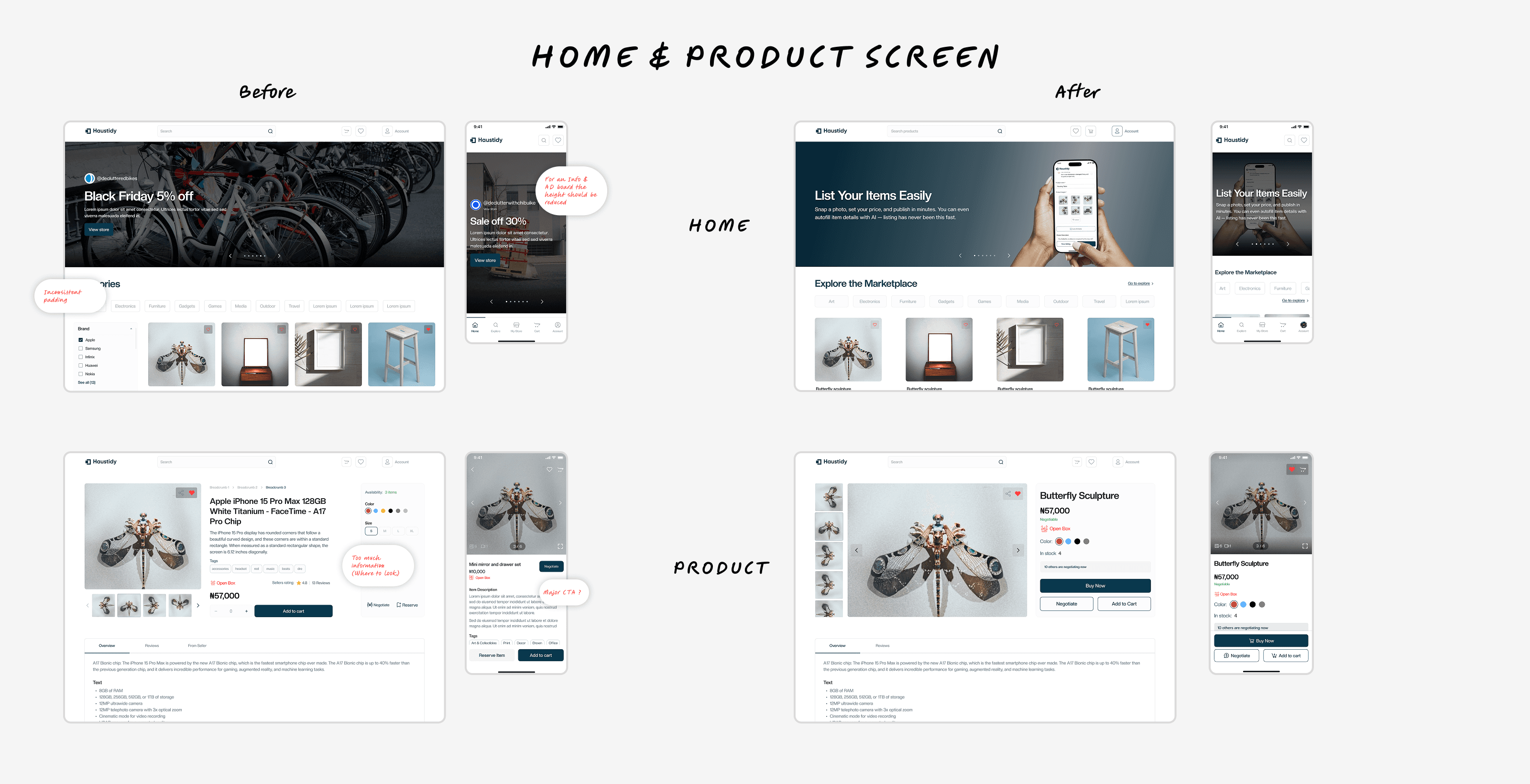
Usability testing revealed small but impactful changes:
Reduced listing fields to make the process faster.
Improved button hierarchy for clearer actions.
Adjusted mobile spacing for better readability.
Looking Back
Designing Haustidy reinforced the importance of reducing cognitive load without sacrificing functionality. If I were to revisit it, I’d explore more personalization in the dashboard to adapt to a user’s most common actions.

